Description
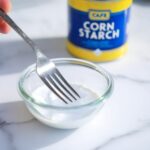
Learn how to make a smooth and effective cornstarch slurry to thicken soups, stews, and stir-fries quickly and easily. This simple mixture combines cornstarch with a warm liquid, creating a lump-free thickening agent that integrates perfectly into your dishes.
Ingredients
Scale
Slurry Ingredients
- 2 tablespoons cornstarch (or other starch)
- ¼ cup water (or broth or milk)
Instructions
- Warm up the Liquid: Heat the water, broth, or milk in a medium-sized bowl in the microwave for 30-60 seconds until it is warm but not boiling, preparing it for dissolving the starch.
- Whisk Slurry: Gradually sprinkle the cornstarch into the warmed liquid while whisking continuously to prevent lumps. If the cornstarch is clumpy, sift it before adding. Whisk thoroughly until the mixture is smooth and free of lumps, making sure to scrape the bottom of the bowl since starch tends to settle there.
- Add to Recipe: Stir the prepared slurry into your soup, stew, or stir-fry. Simmer the combined mixture, stirring occasionally, until it thickens to your desired consistency.
Notes
- Always warm the liquid before adding the cornstarch to ensure it dissolves evenly and prevents clumping.
- If lumps form, you can strain the slurry through a fine sieve before adding it to your dish.
- Use cold liquids to store slurry for later use but always rewarm and whisk before adding to hot dishes.
- Adjust thickness by varying the amount of slurry added gradually; adding too much can make dishes overly thick or gloopy.