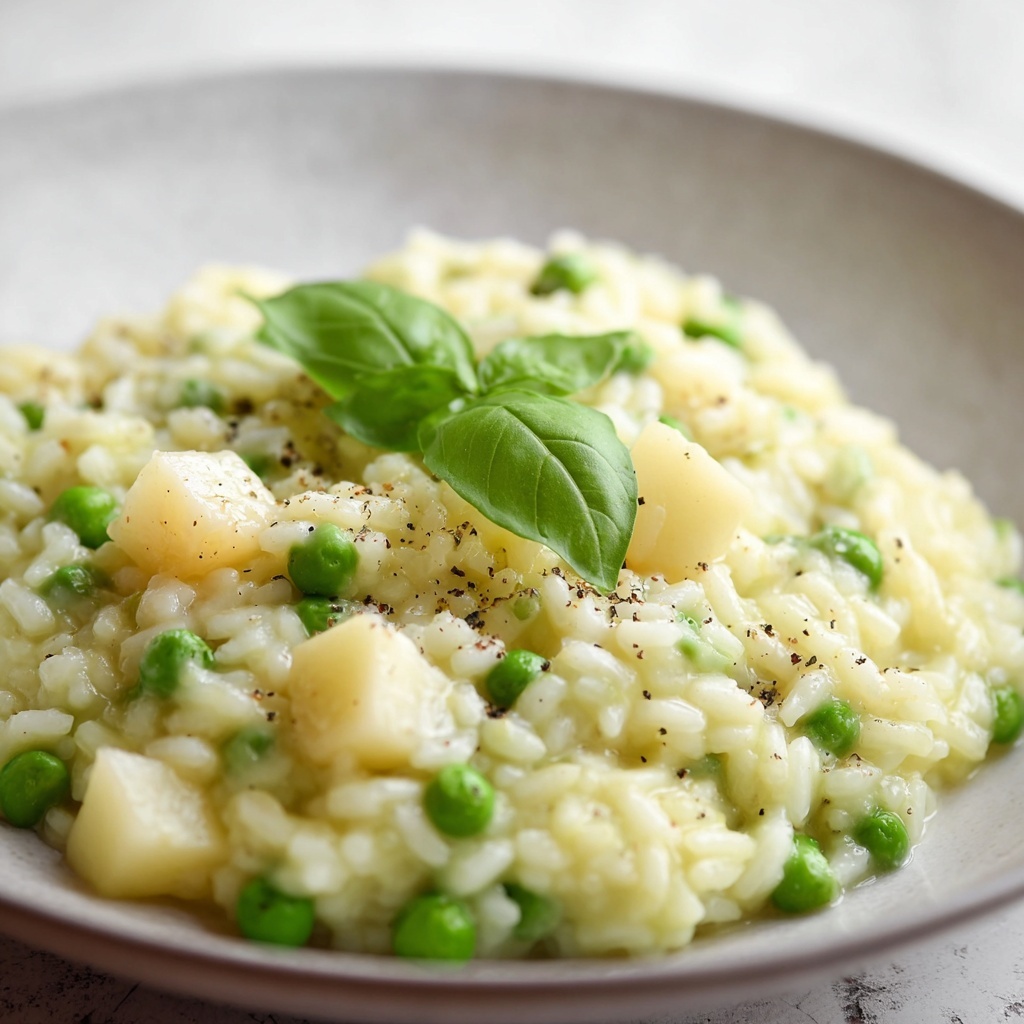
If you’re craving something vibrant, comforting, and absolutely bursting with the fresh flavors of spring, this Fresh Pea Risotto Recipe is going to become your new favorite go-to. Creamy, tender Arborio rice mingles beautifully with the sweet pop of fresh peas, all enriched by the savory depth of Parmesan and just a hint of zesty lemon brightness. This dish is both elegant and approachable, making it perfect for a weekday dinner or serving to guests without stress. Let’s dive into why this risotto is so darn irresistible and how you can make it shine in your kitchen.
Ingredients You’ll Need
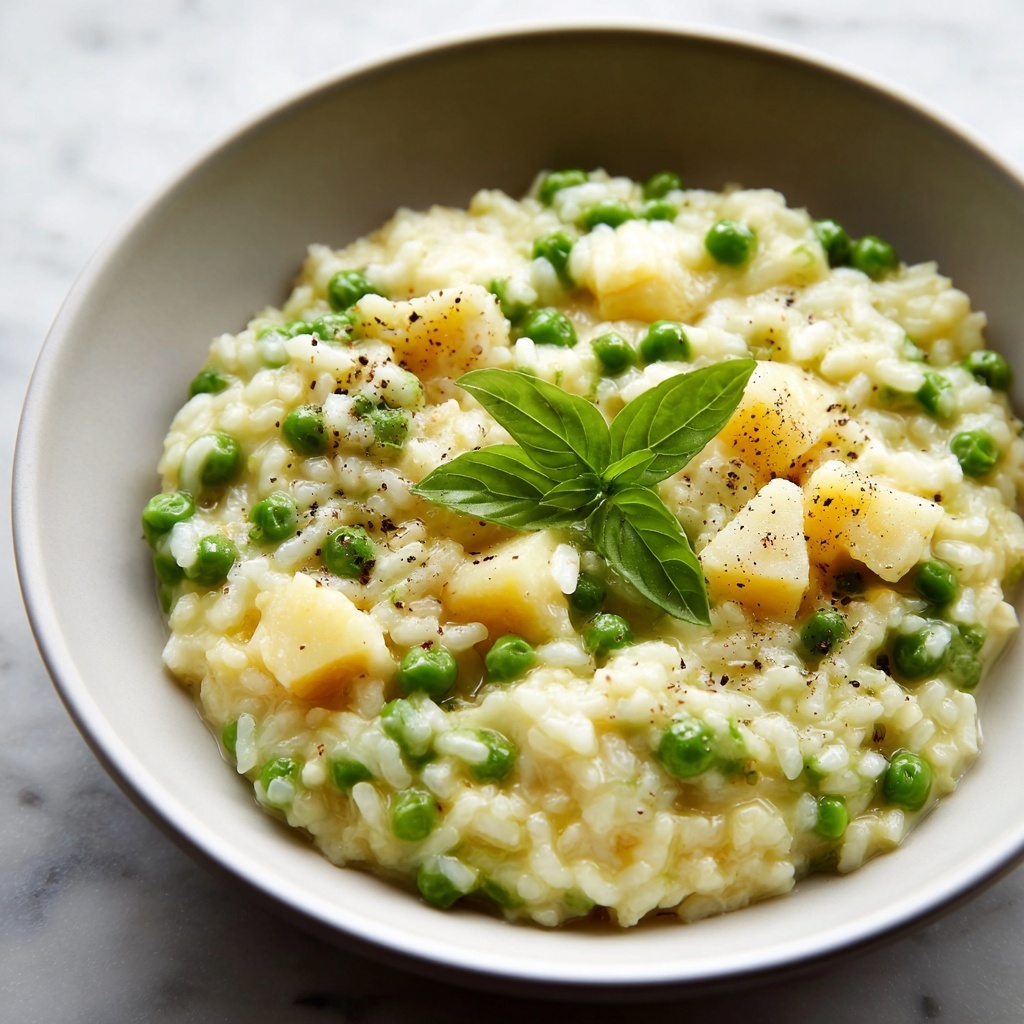
This Fresh Pea Risotto Recipe relies on a handful of simple yet essential ingredients that each play a crucial role in building layers of flavor, color, and texture. From the creamy Arborio rice that absorbs every bit of savory broth to the sweet burst of fresh peas, every component is chosen with intention.
- Arborio rice: The secret to a creamy risotto thanks to its high starch content, giving you that luscious texture.
- Fresh peas: They add a delightful pop of sweetness and a vibrant green color that brightens the dish.
- Vegetable broth: Provides a flavorful cooking liquid that seeps deeply into the rice without overpowering the delicate pea notes.
- Onion: Sautéed until soft, it forms a gentle aromatic base that melds beautifully with other ingredients.
- Garlic: Adds a warm, fragrant background flavor that complements the peas perfectly.
- Parmesan cheese: Grated fresh, it brings savory umami richness and creamy smoothness to finish off the risotto.
- Olive oil: Used for sautéing the aromatics, contributing a subtle fruity note and smooth texture.
- Butter: Stirred in at the end for extra creaminess and that silky mouthfeel risotto is known for.
- Lemon zest: Sprinkled on top to add a refreshing brightness that lifts the entire dish.
How to Make Fresh Pea Risotto Recipe
Step 1: Warm the Vegetable Broth
Start by gently heating your vegetable broth over low heat. Keeping it warm is key because it ensures the rice cooks evenly and quickly absorbs all those wonderful flavors as you add it bit by bit.
Step 2: Sauté Onions and Garlic
In a large skillet or wide saucepan, heat olive oil over medium heat. Add finely chopped onion and sauté until it turns translucent and tender, about 5 minutes. Toss in the minced garlic and cook just until fragrant, avoiding any browning so the flavor stays fresh and bright.
Step 3: Toast the Arborio Rice
Now, add the Arborio rice directly to the pan with your softened onion and garlic. Stir constantly for about 2 minutes, allowing the rice to lightly toast so it develops a subtle nutty note and its edges become just a bit translucent. This sets the stage for the creamy texture to come.
Step 4: Add Warm Broth Gradually
This is the heart of any good risotto. Start ladling in the warm broth one little scoop at a time, stirring endlessly until each addition is nearly absorbed. Patience is your best friend here, as this gradual process coax the rice to release its creamy starches without becoming mushy.
Step 5: Stir in Fresh Peas
When you’re about halfway through cooking, usually after 10 minutes or so, tuck in those bright green fresh peas. They’ll cook just enough to stay tender and sweet, adding delightful texture and a pop of color that makes this Fresh Pea Risotto Recipe so memorable.
Step 6: Finish with Butter and Parmesan
Once your rice is perfectly al dente — tender but still with a gentle bite, after around 18 to 20 minutes total — remove the pan from heat. Stir in butter and freshly grated Parmesan until the risotto becomes silky and rich. Serve immediately, topping each portion with a sprinkle of zesty lemon zest for that final irresistible touch.
How to Serve Fresh Pea Risotto Recipe
Garnishes
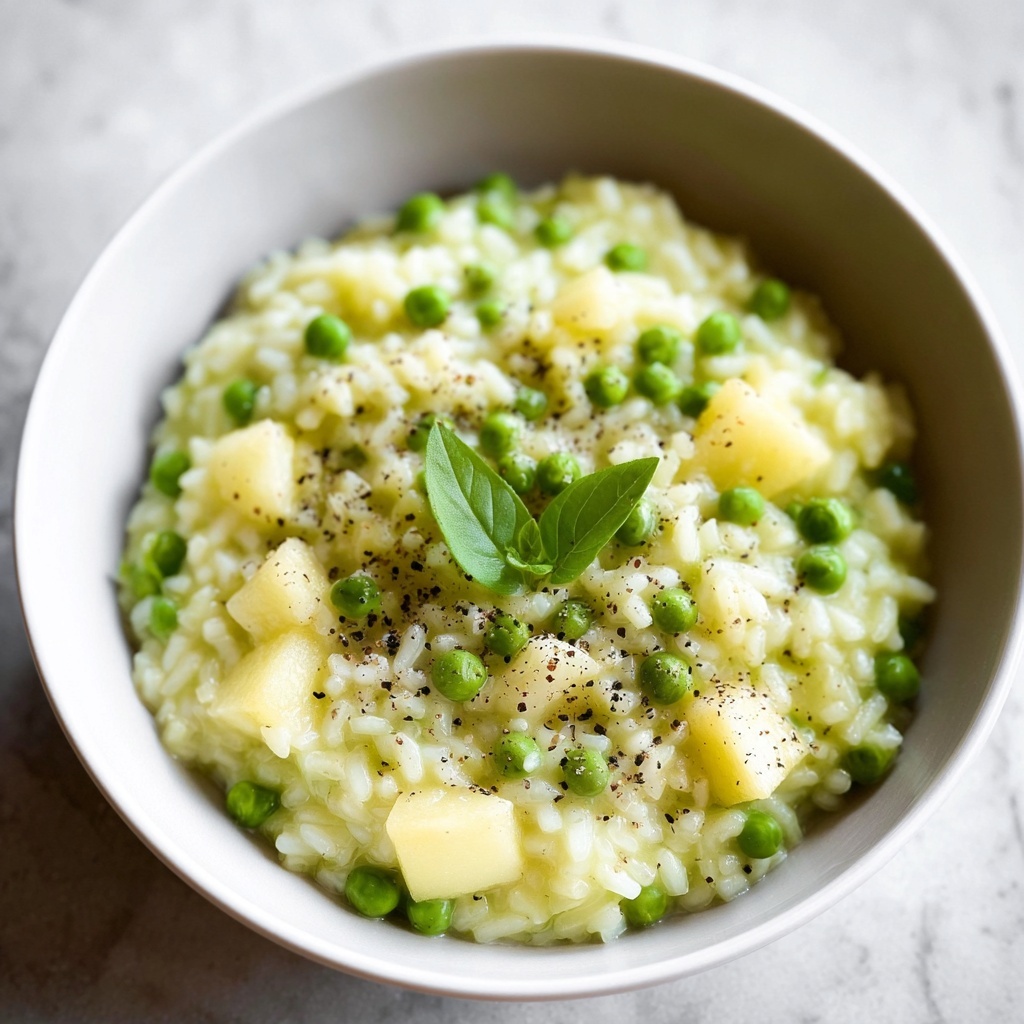
A simple garnish can elevate your risotto from lovely to unforgettable. Alongside the lemon zest, consider adding freshly cracked black pepper, a few shavings of Parmesan, or a drizzle of good-quality extra virgin olive oil. Fresh herbs like parsley or mint can also bring a fresh burst that highlights those sweet peas.
Side Dishes
This risotto shines on its own but pairs beautifully with a variety of sides. Try serving it alongside a crisp green salad with a tangy vinaigrette to cut through the creaminess, or add roasted asparagus or crisp sautéed mushrooms to keep the meal light yet satisfying. For a heartier option, garlic lemon grilled chicken or a simple pan-seared fish works wonders.
Creative Ways to Present
For a special occasion, serve your Fresh Pea Risotto Recipe in shallow bowls or wide-rimmed plates to show off its gorgeous texture and color. Garnish with edible flowers or microgreens for a fresh, modern look. You can even scoop risotto into lightly toasted parmesan crisp bowls — a fun, crunchy contrast that will impress everyone at your table.
Make Ahead and Storage
Storing Leftovers
If you have any leftovers, store them in an airtight container in the refrigerator for up to 2 days. Keep in mind that risotto thickens as it cools, so it might be a bit denser when chilled.
Freezing
Risotto is best enjoyed fresh, but you can freeze leftovers for up to 1 month. Portion it out into freezer-safe containers and thaw overnight in the fridge before reheating. The texture may soften a bit but flavor will still be wonderful.
Reheating
To bring your risotto back to life, gently warm it over low heat in a pan or microwave, adding a splash of broth or water to loosen the texture. Stir frequently until hot and creamy again, finishing with a little extra Parmesan if desired.
FAQs
Can I use frozen peas instead of fresh peas?
Absolutely! Frozen peas are a convenient substitute and still add that lovely sweetness and color. Just add them a few minutes earlier to ensure they’re fully heated through.
What if I don’t have Arborio rice? Can I use another type?
Arborio rice is preferred for risotto because of its starch content, but Carnaroli or Vialone Nano rice are also great options if you can find them. Avoid long-grain or basmati rice as they won’t yield the creamy texture.
Is this recipe vegetarian or vegan?
This Fresh Pea Risotto Recipe is vegetarian as written, thanks to the vegetable broth and Parmesan cheese. To make it vegan, simply use a plant-based broth and substitute the Parmesan and butter with vegan alternatives.
How do I know when the risotto is done?
The rice should be tender but have a slight firmness in the center, often described as al dente. It should be creamy and not dry or stodgy. Taste as you go to find your preferred texture.
Can I make this risotto ahead of time for a dinner party?
Risotto is best served fresh, but you can prepare it until just before the final step, then quickly reheat and add butter, cheese, and lemon zest right before serving for a stress-free dinner party.
Final Thoughts
This Fresh Pea Risotto Recipe truly celebrates the joy of simple ingredients coming together to create something magical. It’s creamy, bright, and utterly satisfying in every bite. I hope you’re inspired to give this one a try soon; once you do, it might just become one of your all-time favorite dishes to make and share. Happy cooking!
Print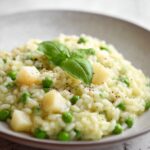
Fresh Pea Risotto Recipe
- Prep Time: 10 minutes
- Cook Time: 20 minutes
- Total Time: 30 minutes
- Yield: 4 servings
- Category: Main Course
- Method: Stovetop
- Cuisine: Italian
- Diet: Vegetarian
Description
A creamy and vibrant Fresh Pea Risotto recipe featuring tender Arborio rice, sweet fresh peas, and a luscious blend of Parmesan cheese, butter, and lemon zest. This comforting Italian dish is cooked slowly on the stovetop by gradually adding warm vegetable broth, resulting in a perfectly creamy texture that highlights the freshness of the peas.
Ingredients
Main Ingredients
- 1 cup Arborio rice
- 1 cup fresh peas
- 4 cups vegetable broth
- 1 small onion, finely chopped
- 2 cloves garlic, minced
- 1/2 cup freshly grated Parmesan cheese
- 2 tablespoons olive oil
- 2 tablespoons butter
- Zest of 1 lemon
Instructions
- Warm the Broth: Heat the vegetable broth in a saucepan over low heat to keep it warm throughout the cooking process, which helps the rice cook evenly.
- Sauté Aromatics: In a large skillet, heat olive oil over medium heat and sauté the finely chopped onion until translucent and soft, about 3-4 minutes. Add the minced garlic and cook for an additional 1 minute until fragrant.
- Toast the Rice: Stir in the Arborio rice into the skillet with the sautéed onion and garlic. Toast the rice for about 2 minutes until the edges become slightly translucent, which enhances its flavor.
- Cook the Risotto: Begin adding the warm vegetable broth one ladleful at a time to the rice, stirring constantly. Allow each ladleful to be fully absorbed before adding the next. This slow absorption process helps release the rice’s starch, creating a creamy texture.
- Add Fresh Peas: About halfway through the cooking time (around 10 minutes), stir in the fresh peas. Continue to add broth and stir until the rice is cooked al dente, around 18-20 minutes total cooking time.
- Finish with Butter and Cheese: Once the rice is tender but still has a slight bite, remove the skillet from heat. Stir in the butter and freshly grated Parmesan cheese until the risotto is rich and smooth.
- Serve: Plate the risotto immediately and garnish with freshly grated lemon zest to add a bright, fresh zing to the dish.
Notes
- Use fresh peas for the best flavor, but frozen peas can be substituted if fresh are unavailable.
- Stirring constantly is key to achieving a creamy risotto texture and preventing the rice from sticking to the pan.
- If you prefer a richer risotto, increase butter or Parmesan cheese to taste.
- For a vegan version, substitute butter and Parmesan with vegan alternatives.
- Adding lemon zest at the end brightens the dish without overpowering the delicate pea flavor.