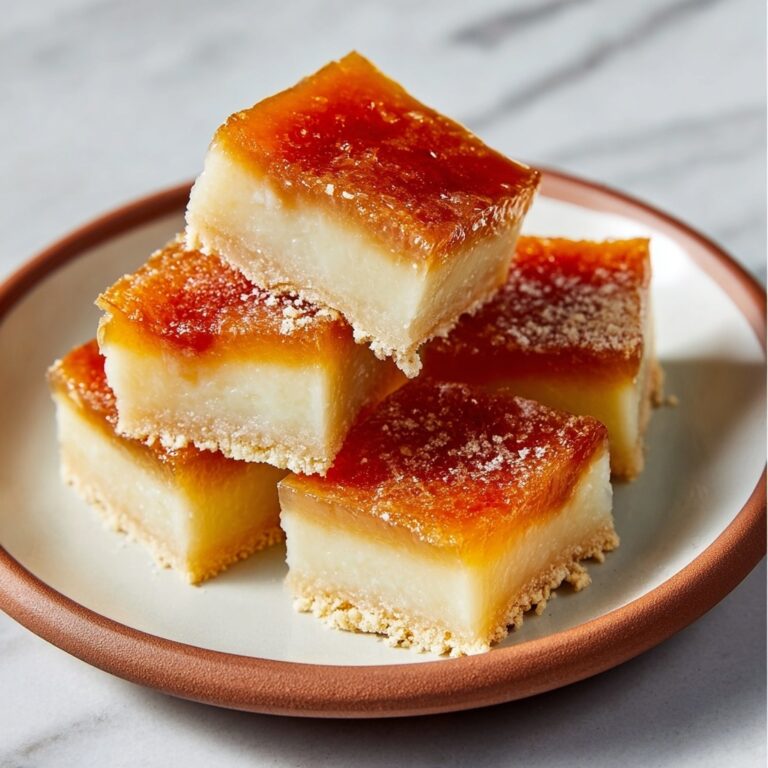
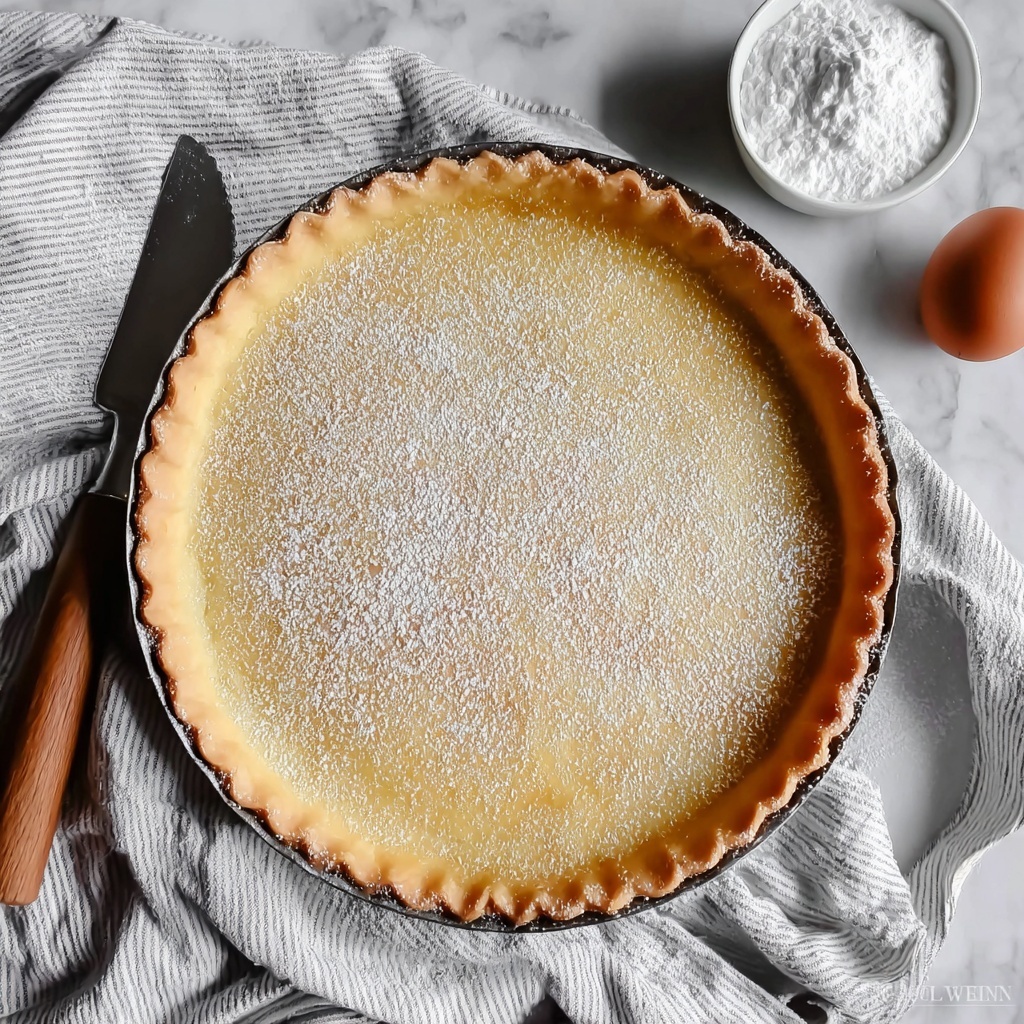
If you’ve ever dreamed of creating a stunning tart with a perfectly crumbly and buttery base, this Pâte Sablée (Classic Sweet Tart Pastry) Recipe is your new best friend in the kitchen. This luscious dough balances just the right amount of sweetness with that irresistible melt-in-your-mouth texture. Once you master this pastry, you’ll find it’s the perfect canvas for everything from fresh fruit tarts to decadent chocolate creations. Trust me, it’s a total game-changer for your baking repertoire.
Ingredients You’ll Need
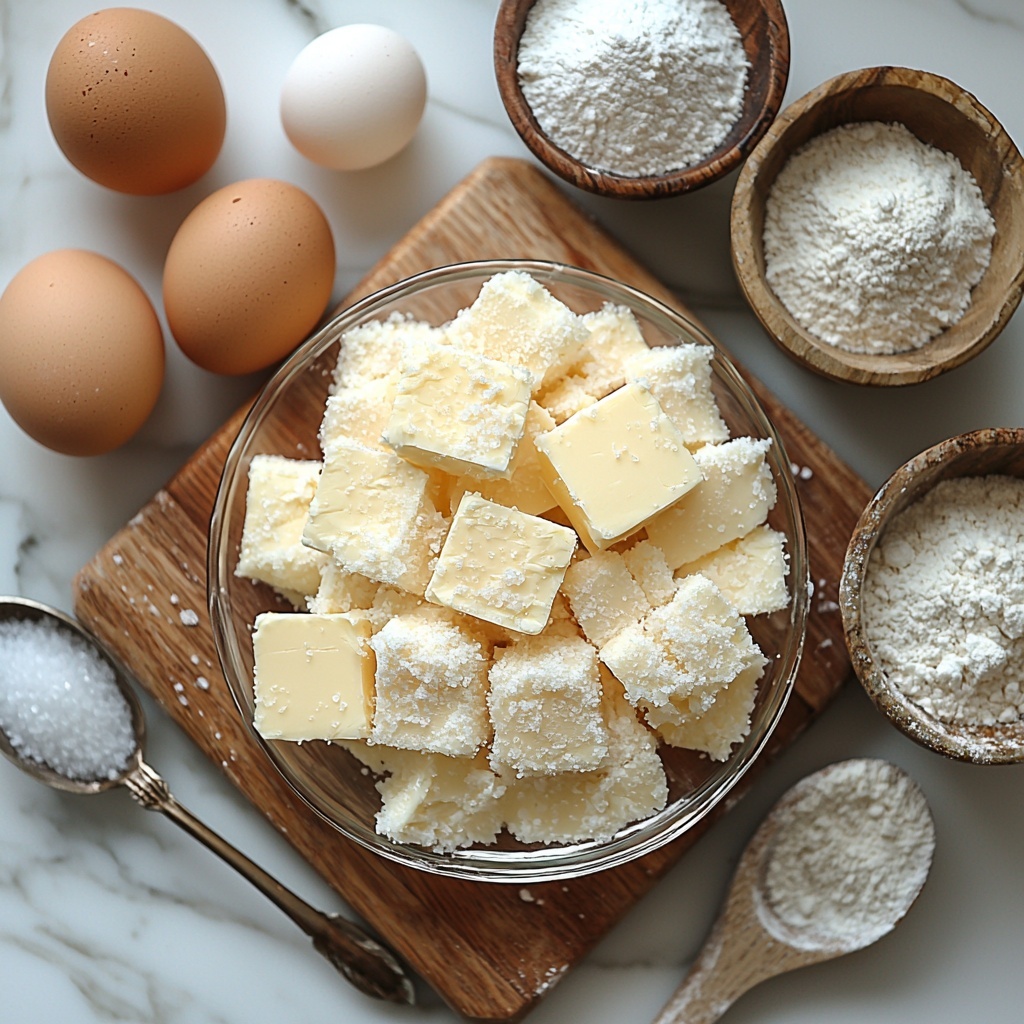
Creating the perfect Pâte Sablée (Classic Sweet Tart Pastry) Recipe relies on a handful of simple, everyday ingredients. Each component plays a crucial role in the final texture and flavor, combining richness, sweetness, and just the right amount of tenderness to make this dough truly special.
- 150 g unsalted butter (soft, at room temperature): Butter is the heart of this pastry, providing a rich flavor and that signature crumbly texture when properly creamed.
- 50 g granulated sugar: Just enough sweetness to enhance the butter’s flavor without overpowering the natural richness of the dough.
- ½ tsp salt: A tiny pinch to balance the sweetness and intensify the overall flavor.
- 1 egg: Adds structure and helps bind the dough together, ensuring it holds its shape beautifully during baking.
- 250 g all-purpose flour: The foundation of the dough, flour gives it structure while keeping the crumb tender when combined with butter.
How to Make Pâte Sablée (Classic Sweet Tart Pastry) Recipe
Step 1: Prep Your Ingredients
Before you start, gather all your ingredients and make sure the butter is soft but not melted. This is key because room-temperature butter creamed with sugar creates the light, airy texture you want in your pâte sablée.
Step 2: Cream Butter and Sugar
In a mixing bowl, beat together the softened butter and granulated sugar until the mixture turns pale and fluffy. This process aerates the dough, which contributes to the delicate crumb you’ll love.
Step 3: Add Egg and Salt
Next, mix in the egg and salt. These bring moisture and balance to your dough. Be sure to blend everything evenly so the dough holds together perfectly without becoming too sticky.
Step 4: Incorporate the Flour
Gently add the all-purpose flour, incorporating it gradually into your wet mixture. Stir just until combined; over-mixing will develop the gluten too much and make your pastry tough instead of tender.
Step 5: Chill the Dough
Once your dough comes together, shape it into a disc and wrap it in plastic wrap. Refrigerate for at least 30 minutes, which helps relax the gluten and firms up the butter. This step prevents shrinkage when baking and makes rolling out smoother.
Step 6: Roll Out the Dough
After chilling, lightly flour your work surface and roll out the dough to fit your tart pan. Keep the thickness even to ensure it cooks uniformly and has a beautiful golden finish.
Step 7: Bake to Golden Perfection
Preheat your oven to 180°C (350°F). Line your tart pan with baking paper or foil and add pie weights if you want to blind bake the shell. Bake for about 15 minutes until the crust is crisp and golden brown—a sign that your pâte sablée is perfectly done and ready for filling!
How to Serve Pâte Sablée (Classic Sweet Tart Pastry) Recipe
Garnishes
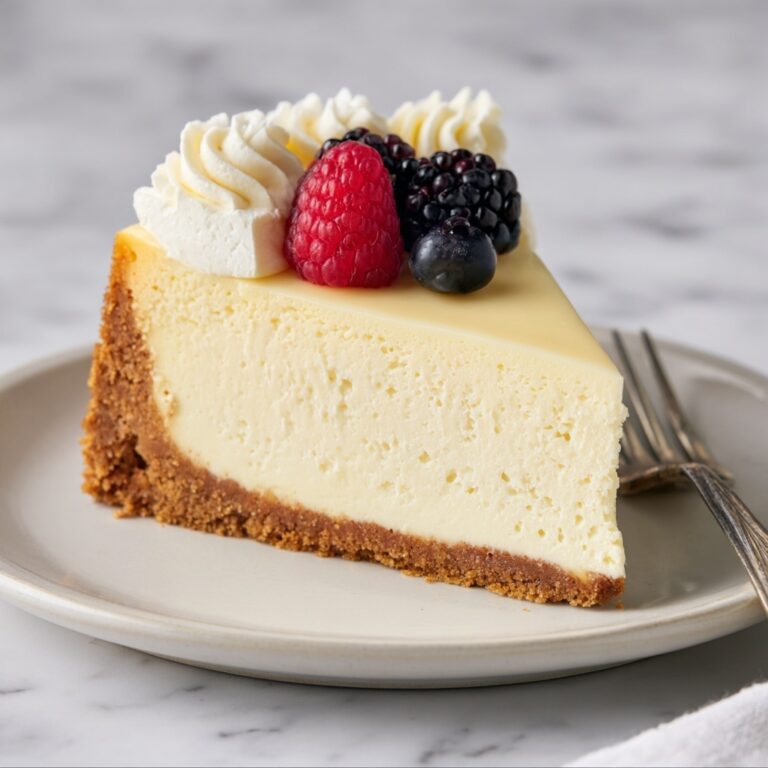
Nothing screams elegance like a vibrant topping on this buttery crust. Fresh berries, glossy fruit glazes, or a dusting of powdered sugar bring out the delicate sweetness of the pâte sablée without overwhelming it. Even a simple dollop of whipped cream or a sprinkle of toasted nuts adds a delightful touch.
Side Dishes
Pair your tart made with pâte sablée with light, refreshing sides such as a scoop of vanilla ice cream or a citrusy sorbet. These cool contrasts balance the richness of the pastry beautifully, making each bite a perfect harmony of flavors.
Creative Ways to Present
Turn your classic tart into a showstopper by making mini tarts using muffin tins or creating a tart lattice with strips of dough for a rustic look. You can also experiment with colorful fillings like lemon curd, chocolate ganache, or caramelized fruits—each variation showcasing the versatile pâte sablée crust.
Make Ahead and Storage
Storing Leftovers
If you have any leftover baked tart shell or dough, simply wrap it tightly in plastic wrap and keep it in the refrigerator for up to 3 days. This keeps the dough fresh and ready for quick use when the craving hits again.
Freezing
You can freeze unbaked dough discs wrapped in plastic wrap and stored in an airtight bag for up to one month. When ready to use, thaw it overnight in the fridge before rolling out. Baked shells can also be frozen, but it’s best to reheat before serving to maintain crispness.
Reheating
To bring your tart crust back to life, warm it gently in a preheated oven at 160°C (320°F) for about 5 to 7 minutes. This will crisp up any softness while preserving that tender, buttery texture you love.
FAQs
Can I substitute the sugar with powdered sugar?
Using powdered sugar instead of granulated sugar is a common variation in pâte sablée recipes because it can create an even more tender, melt-in-your-mouth texture due to its fine consistency. Just know it might change the dough’s sweetness slightly.
Why is chilling the dough important?
Chilling your dough firms up the butter, making it easier to roll out and handle. It also helps relax the gluten strands formed when mixing, which prevents the dough from shrinking during baking and ensures a tender crumb.
Can I make pâte sablée without an egg?
The egg adds structure and binding to the dough, so leaving it out will change the texture and handleability. However, you could experiment by replacing it with a little cold water or another egg substitute, though the dough may be less rich and more fragile.
What’s the difference between pâte sablée and pâte brisée?
Pâte sablée is a sweet pastry dough that contains sugar and usually a higher butter content, resulting in a delicate, crumbly texture perfect for tart shells. Pâte brisée is a savory dough without sugar, firmer, and more suitable for quiches or savory pies.
Can I use this recipe for a pie crust?
While you can technically use pâte sablée for pies, it’s best reserved for tarts and desserts because its sweet, crumbly nature might not hold up as well with wet and heavy fillings typical in pies. For pies, pâte brisée or a traditional pie crust is preferable.
Final Thoughts
This Pâte Sablée (Classic Sweet Tart Pastry) Recipe is truly a baker’s treasure. Its buttery, sweet, and delicate crumb is the foundation to so many delightful desserts that are sure to impress family and friends alike. I encourage you to give this recipe a try—you’ll soon see why it’s a beloved classic and a must-have skill in any home baker’s toolkit!
Print
Pâte Sablée (Classic Sweet Tart Pastry) Recipe
- Prep Time: 15 minutes
- Cook Time: 15 minutes
- Total Time: 45 minutes
- Yield: 1 tart (8 servings)
- Category: Dessert
- Method: Baking
- Cuisine: French
- Diet: Vegetarian
Description
This classic Pâte Sablée recipe yields a buttery, sweet tart pastry perfect for all your favorite tarts and pies. The dough is tender and crisp, with a rich, crumbly texture achieved by creaming butter and sugar before incorporating flour and egg. It’s simple to prepare and ideal for making elegant desserts.
Ingredients
Pastry Ingredients
- 150 g unsalted butter (soft, at room temperature)
- 50 g granulated sugar
- ½ tsp salt
- 1 egg
- 250 g all-purpose flour
Instructions
- Prepare Ingredients: Gather all ingredients, making sure the butter is softened to room temperature for easy creaming.
- Cream Butter and Sugar: In a mixing bowl, beat the softened butter and granulated sugar together until the mixture is light and fluffy, which incorporates air for a tender texture.
- Add Egg and Salt: Mix in the egg and salt until fully combined, ensuring an even distribution of flavors and moisture.
- Incorporate Flour: Gradually add the all-purpose flour, mixing gently to form a dough. Avoid overmixing to maintain a crumbly, tender pastry.
- Chill Dough: Shape the dough into a disc, wrap tightly in plastic wrap, and refrigerate for at least 30 minutes to firm up and improve handling.
- Roll Out Dough: On a floured surface, roll out the chilled dough to fit your tart pan, aiming for even thickness throughout.
- Preheat Oven and Prepare Tart Shell: Preheat oven to 180°C (350°F). Line your tart pan with baking paper and add pie weights if desired to prevent puffing.
- Bake: Bake the tart shell for about 15 minutes or until it turns a golden brown, indicating it is fully cooked and crisp.
Notes
- Make sure butter is properly softened for easier creaming and better texture.
- Do not over-mix the dough once you add the flour to keep the pastry tender.
- Chill the dough sufficiently to prevent shrinkage during baking.
- Use pie weights or dry beans while baking to keep the crust flat if blind baking.
- Allow the tart shell to cool before adding fillings to avoid sogginess.